Analyze Your Property’s Health With Free Mold Inspections
Professional Mold Mitigation Service in Fox Lake, IL, and Surrounding Areas
Mold often develops after water intrusion from roof leaks, plumbing failures, or storm damage. In many cases, mold growth begins behind walls, ceilings, or flooring before any visible signs appear. Property owners may notice musty odors, staining, or increased humidity without realizing moisture has already compromised interior materials.
When moisture remains trapped inside a structure, mold can spread quickly and affect drywall, insulation, and framing. Beyond property damage, prolonged exposure to mold can impact indoor air quality and create unhealthy living conditions. Delaying mitigation allows moisture to continue feeding mold growth, increasing cleanup scope and restoration costs.
Our mold mitigation service in Fox Lake, IL, and the surrounding areas is designed to address moisture-related damage at the source. We begin with a detailed inspection to identify affected areas and determine the extent of water intrusion. Damaged materials are removed as needed, and the space is treated to reduce moisture and prevent further mold development. From mitigation through restoration, we provide a controlled process that restores safety and functionality to your home.
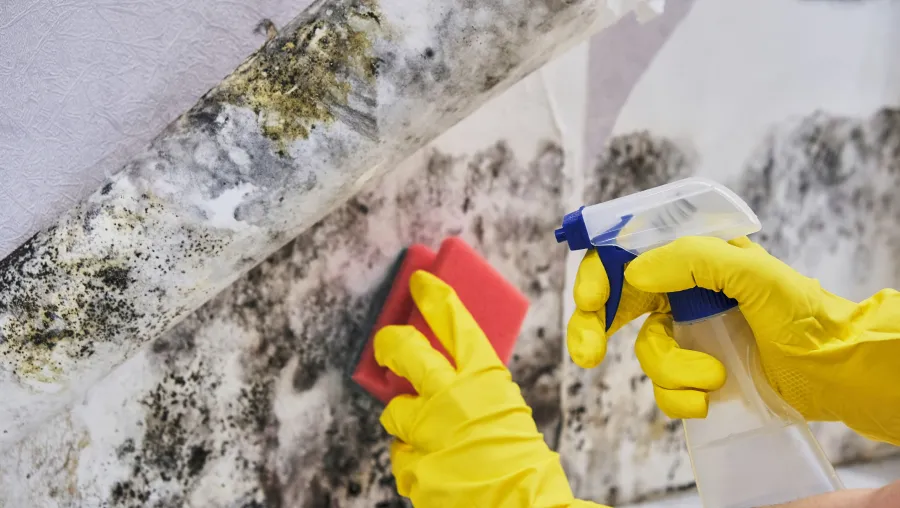
Address Water Damage Before Mold Spreads
Mold mitigation focuses on stopping active growth and removing moisture that allows it to thrive. Proper mold restoration requires more than surface cleaning. Moisture must be identified, damaged materials removed, and affected areas treated to prevent recurrence.
Key features of our mold mitigation and restoration service include:
- Moisture Detection: We locate hidden water sources behind walls, ceilings, and flooring.
- Material Removal: Compromised drywall, insulation, and finishes are removed to stop mold spread.
- Drying and Treatment: Affected areas are dried and treated to reduce moisture levels.
- Interior Restoration: After mitigation, we rebuild damaged areas to restore the space.
This process is especially important after roof leaks, flooding, or storm damage. Addressing mold conditions early helps limit structural damage and reduces the risk of recurring issues. Proper mitigation protects both the building materials and the indoor environment.
Prevent Health Hazards With Effective Mold Remodal
Water intrusion creates ideal conditions for mold growth, which can begin within 24 to 48 hours and negatively impact indoor air quality. Our professional mold mitigation service removes moisture and contaminated materials that standard cleaning cannot address. Proper restoration rebuilds affected areas correctly, helping restore structural integrity and maintain a safe, healthy living environment.
We provide professional mold mitigation and restoration services in Fox Lake, IL, and the surrounding areas to address water damage and protect the safety of your home. Our approach goes beyond surface cleanup. Mold mitigation focuses on identifying moisture sources, removing contaminated materials, and treating affected areas to control mold spores and excess humidity.
Once mitigation is complete, we handle the full restoration process. This includes rebuilding damaged walls, ceilings, and finishes so the space is returned to its original condition. By addressing both the cause and the damage, we help prevent future mold growth and structural deterioration.
We are licensed and certified to handle sensitive environmental conditions, including lead detection in older homes. Whether the damage originates from a roof leak, storm event, or another water source, our team manages the process from initial mitigation through final restoration. The goal is to restore your living space fully and create a healthier indoor environment for you and your family.

Get Flexible Financing for Your Project
Don’t let roofing or storm damage wait too long. Contact us today for affordable financing to start your restoration.
Frequently Asked Questions About Mold Mitigation & Restoration
Mold issues are often linked to hidden water damage and can escalate quickly if not addressed properly. These frequently asked questions explain how mold mitigation, mold restoration, water damage restoration, and emergency water cleanup work, and what property owners should expect during the process.
-
Mold can begin developing within 24 to 48 hours after moisture exposure. This is why emergency water cleanup and prompt mitigation are critical following leaks, flooding, or other water-related incidents.
-
No. Mold often grows behind walls, ceilings, flooring, or insulation where moisture is trapped. Because it is not always visible, professional inspection is important when water damage or persistent odors are present.
-
Mold mitigation focuses on stopping mold growth by removing contaminated materials and controlling moisture. Mold restoration involves rebuilding and repairing affected areas so the space is fully usable again once mitigation is complete.
-
Yes. As part of our mold removal service, compromised materials such as wet drywall, insulation, or flooring are removed when necessary to prevent mold from spreading and to allow proper drying and treatment.
-
Mold can return if moisture sources are not fully addressed. Our process focuses on identifying and correcting water issues so the conditions that allow mold growth are reduced as much as possible.
-
Yes. Mold mitigation is often a critical step within water damage restoration. When leaks or flooding occur, addressing moisture and contaminated materials early helps prevent mold growth and further structural damage.
-
Yes. Emergency water cleanup is often the first step after flooding or leaks. Removing standing water and moisture quickly helps limit damage and reduces the likelihood of mold development.
-
Flood restoration service may be needed after severe storms, plumbing failures, appliance leaks, or roof damage that allows water to enter the home. Each situation is assessed to determine the appropriate mitigation and restoration steps.
-
Timelines vary based on the extent of water damage and mold growth. Mitigation is completed first to address moisture and contamination, followed by restoration work once the area is safe to rebuild. A clear timeline is provided after inspection.
-
In some cases, limited areas of the home can still be occupied. However, if contamination is extensive, temporary relocation may be recommended for safety. This is reviewed during the initial assessment.